September 24, 2026
A remodeling project can transform how a home looks, feels, and functions, but bringing an idea from imagination to reality requires careful planning. Homeowners may have a clear vision for a kitchen, bathroom, living area, or exterior, yet turning that vision into a finished space involves design decisions, material selections, scheduling, construction, and attention to detail.
Working with a local remodeling contractor can provide a structured approach to the process. Rather than handling every decision independently, homeowners can collaborate with professionals who understand the practical considerations involved in transforming an existing property.
Define the Vision and Goals
Every successful remodeling project begins with an understanding of what the homeowner wants to accomplish. Some projects focus primarily on appearance, while others address functionality, storage, layout, comfort, or a combination of these goals. Defining those priorities early can make subsequent decisions more focused and purposeful.
According to This Old House, improving a home's appearance was the leading reason homeowners cited for remodeling in twenty twenty-five, with 50% identifying it as a priority. This demonstrates how visual improvements can play a significant role in remodeling decisions while also highlighting the importance of creating a finished space that reflects the homeowner's preferences.
Before construction begins, homeowners can consider how they want the space to look and how they expect to use it. Gathering inspiration images, identifying preferred finishes, and considering existing features can help communicate those expectations.
Develop a Detailed Plan
Once the overall vision is established, planning turns broad ideas into a workable project. A remodeling professional can evaluate the existing space, discuss possible changes, and identify practical considerations that may affect the design. Layout, available space, structural characteristics, materials, and intended use can all influence how the project takes shape.
A local remodeling contractor can also help homeowners understand how individual design choices work together. Flooring, cabinetry, countertops, paint, fixtures, lighting, and architectural details can each affect the overall appearance. Coordinating those elements before construction begins can help create a finished space that feels intentional rather than assembled from unrelated choices.
Planning can also help identify potential challenges before work begins. Existing construction, access limitations, utility locations, or other characteristics of the property may influence what is possible. Addressing those considerations early allows the project to be approached with realistic expectations and can reduce the likelihood of major surprises during construction.
Select the Right Materials
Materials have a significant influence on both the appearance and functionality of a remodeled space. Homeowners may have preferences for specific colors, textures, finishes, or styles, but those choices also need to work within the conditions of the room. A material that looks appealing may not necessarily be appropriate for areas exposed to moisture, heavy traffic, or frequent use.
Professional guidance can make the selection process easier to navigate. A local remodeling contractor may be able to discuss the characteristics of different materials and explain how they can affect maintenance, durability, and overall design.
Material selection is also an opportunity to establish continuity throughout the home. Coordinating finishes between adjoining areas can create a smoother transition and make individual improvements feel like part of a larger design. Even when different rooms have distinct styles, carefully selected materials can help maintain a sense of connection.
Homeowners can also consider how their choices may perform over time. Everyday use can affect surfaces, fixtures, and finishes, making practical characteristics just as relevant as initial appearance. Selecting materials with the room's purpose in mind can contribute to a remodeling result that remains useful and appealing long after construction is complete.
Coordinate the Project
Remodeling involves numerous moving parts, and coordination can have a major effect on how smoothly work progresses. Materials need to be available when needed, different construction tasks must be completed in an appropriate sequence, and changes may need to be addressed as the project develops.
Clear communication helps keep those elements connected. Homeowners benefit from understanding what is happening during the project and why certain steps are necessary. A local remodeling contractor can serve as a central point of coordination, helping keep design decisions, construction activities, and project expectations aligned throughout the process.
Scheduling is another important part of coordination. Remodeling can affect access to rooms and alter normal household routines, particularly when work takes place in frequently used areas. Establishing expectations around the construction process can help homeowners prepare their household and understand how the project will progress.
Consistent communication also creates an opportunity to address questions as they arise. Remodeling projects can evolve as existing conditions become visible or preferences change.
Focus on Quality Construction
The construction stage is where the plans begin taking physical form. Careful workmanship matters because even a well-designed project can fall short when installation details are overlooked. Proper preparation, accurate measurements, appropriate installation techniques, and attention to finishing work can all contribute to the appearance of the completed space.
Quality also involves respecting the existing home. Remodeling often requires new features to connect with structures, surfaces, or finishes that are already present. Thoughtful construction can help those elements transition naturally. The goal is not simply to add something new, but to make the updated space feel cohesive with the property as a whole.
Attention to detail becomes particularly noticeable in areas where different materials meet. Trim, transitions, edges, seams, hardware, and other finishing elements can influence how polished the finished space appears.
Add Personal Details
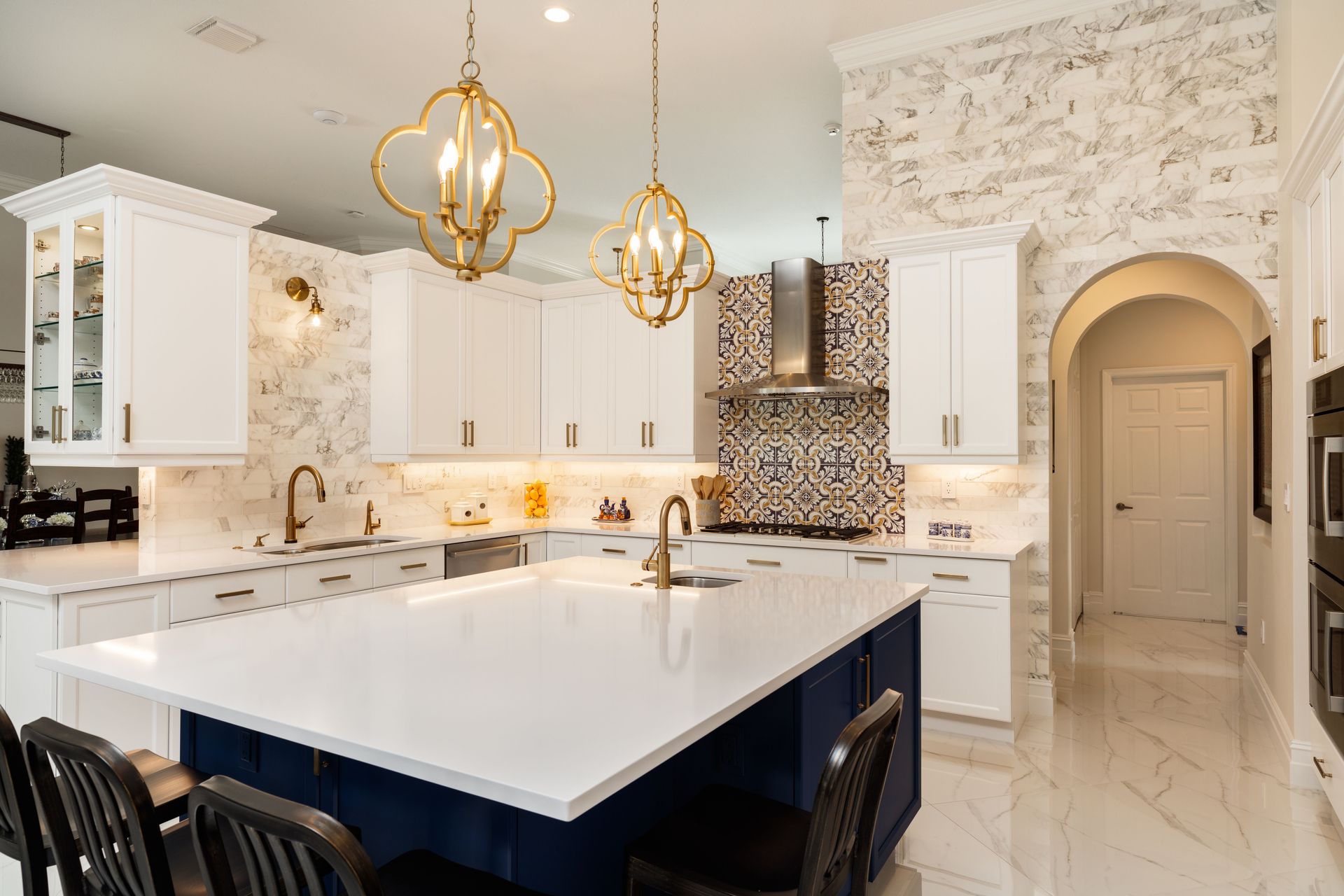
The most memorable remodeling projects often include details that reflect the homeowner's individual preferences. A distinctive backsplash, carefully selected hardware, custom storage, architectural accents, or a particular color palette can give a remodeled area its own character. These choices can make the finished environment feel connected to the people who live there.
Personalization does not necessarily require dramatic changes. Small decisions can have a meaningful visual impact when they are thoughtfully incorporated into the larger design. A remodeling professional can help determine where individual preferences can make the greatest difference while maintaining a balanced and functional overall appearance.
A local remodeling contractor can also help translate ideas that may be difficult to describe. Homeowners may have inspiration from photographs, magazines, social media, or other properties without knowing exactly how to reproduce those elements in their own space.
The finished result should ultimately serve the homeowner's goals rather than simply follow a predetermined formula. Remodeling provides an opportunity to improve an existing property while making the space more reflective of personal taste and everyday needs.
A local remodeling contractor can contribute valuable perspective when unexpected conditions arise as well. Existing homes can contain characteristics that are not immediately visible before work begins, and those discoveries may require adjustments. Addressing changes thoughtfully can help preserve the overall vision while adapting the project to real-world conditions.
Planning also provides an opportunity to consider the long-term role of the remodeled space. A kitchen should support the way the household prepares and enjoys meals. A bathroom should accommodate daily routines comfortably. A living area should provide the right balance of relaxation, storage, and gathering space.
The remodeling process may involve many individual decisions, but they all contribute to a larger result. When the design, materials, construction, and personal details work together, an existing room can take on an entirely different character without losing its connection to the rest of the home.
For homeowners preparing to remodel, the most useful starting point is a clear understanding of what the finished space should accomplish. From there, professional planning can help turn ideas into realistic possibilities, identify appropriate materials, coordinate construction, and address the details that make the finished project feel complete.
Ready to turn a remodeling vision into a finished space? Contact S.P. Roofing LLC DBA S.P. Roofing & Construction to discuss the project, explore possibilities, and take the next step toward bringing the desired transformation to life.